A tragic night in Darrington
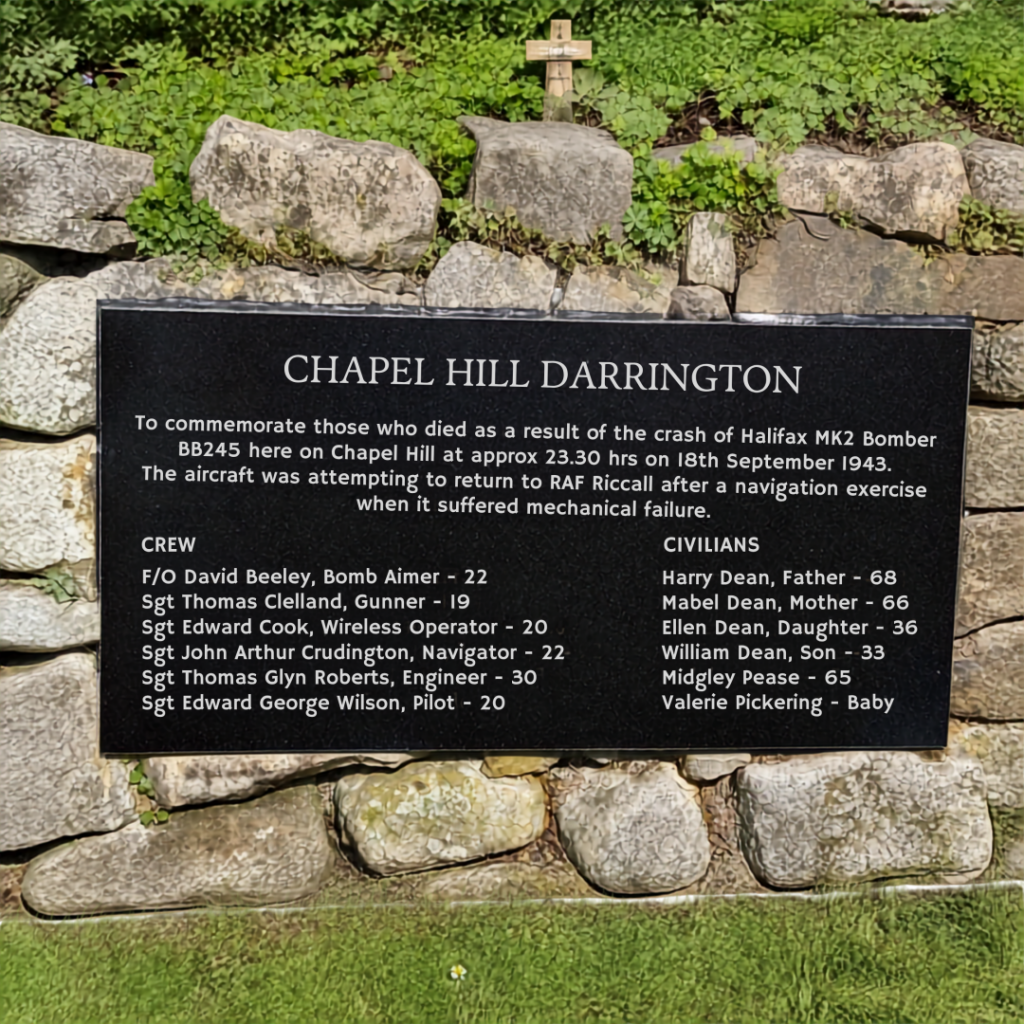
On the night of 18 September 1943, during the Second World War, Darrington was the scene of a devastating aircraft accident which claimed the lives of six airmen and four local residents.
At around 11.30pm, a Handley Page Halifax Mk II, serial number BB245, was returning from a night training exercise. The aircraft was operated by No. 1658 Heavy Conversion Unit, based at RAF Riccall, near Selby.
As the Halifax approached the area, it suffered a serious mechanical problem, believed to have involved the failure or loss of a propeller blade on one of its engines. The aircraft lost height and crashed into cottages on Chapel Hill, Darrington.
The resulting fire destroyed several buildings, including a small chapel and four houses.
.png)
Those who lost their lives
All six members of the Halifax crew were killed:
- Sergeant Edward George Wilson – Pilot
- Sergeant John Arthur Crudgington – Navigator
- Flying Officer David Beeley – Bomb Aimer
- Sergeant Edward Cook – Wireless Operator/Air Gunner
- Sergeant Thomas Glyn Roberts – Flight Engineer
- Sergeant Thomas Clelland – Air Gunner
Four members of the Dean family of Darrington also lost their lives:
- Harry Dean
- Mabel Una Dean
- William Dean
- Ellen Mary Dean
Several other local residents were injured. One of those injured, Midgley Pease, sadly died later in 1943.
The accident brought the realities of wartime into the heart of the village, affecting both the young airmen aboard the aircraft and the families living in Darrington.
Remembering the crash
For many years, the story of the crash was remembered by local residents and families. A memorial was eventually established on Chapel Hill to commemorate those who lost their lives.
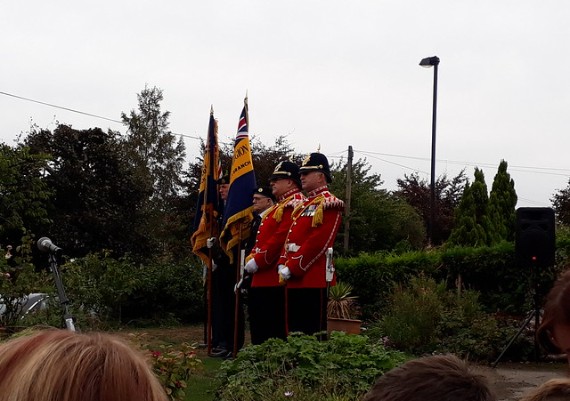
On 18 September 2018, exactly 75 years after the accident, a new memorial was dedicated in Darrington. It provides a permanent reminder of the events of that night and of the people – both local residents and aircrew – whose lives were lost.
The memorial continues to be cared for and remembered by the village.
The Halifax
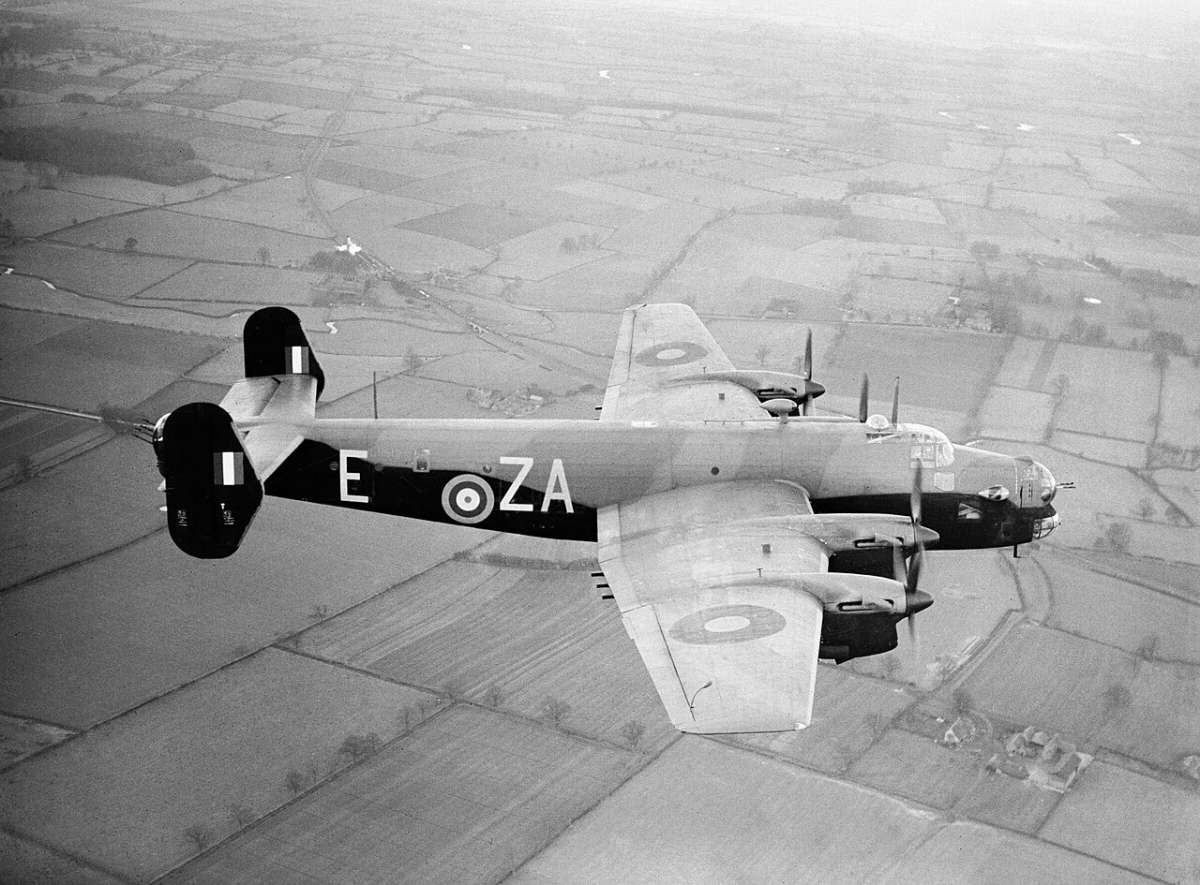
The aircraft involved was a Handley Page Halifax Mk II, a four-engined heavy bomber used extensively by the Royal Air Force during the Second World War.
BB245 had previously served with operational squadrons before being transferred to No. 1658 Heavy Conversion Unit at RAF Riccall, where crews trained for operations on Halifax aircraft. On the evening of the crash, the crew had been undertaking a night training flight.
The Halifax was approximately one year old and had already completed more than 500 flying hours before its final flight.
Remembering those who died
The Darrington Air Crash is more than an aviation story. It is part of the history of the village and a reminder of the impact that the Second World War had on communities across the country.
The memorial on Chapel Hill ensures that the names of those who died are not forgotten.
A lasting part of Darrington's history
Today, the site of the crash is part of the everyday landscape of Darrington. For many residents, however, Chapel Hill is also a place of remembrance – marking a tragic night when the war reached the village and changed the lives of local families forever.
The Darrington Air Crash remains an important part of our local history and is remembered with respect for all those who lost their lives.
More information about the Air Crash can be found on Facebook and YouTube.